9 Dairy-Free Swaps That Don't Taste Like Cardboard
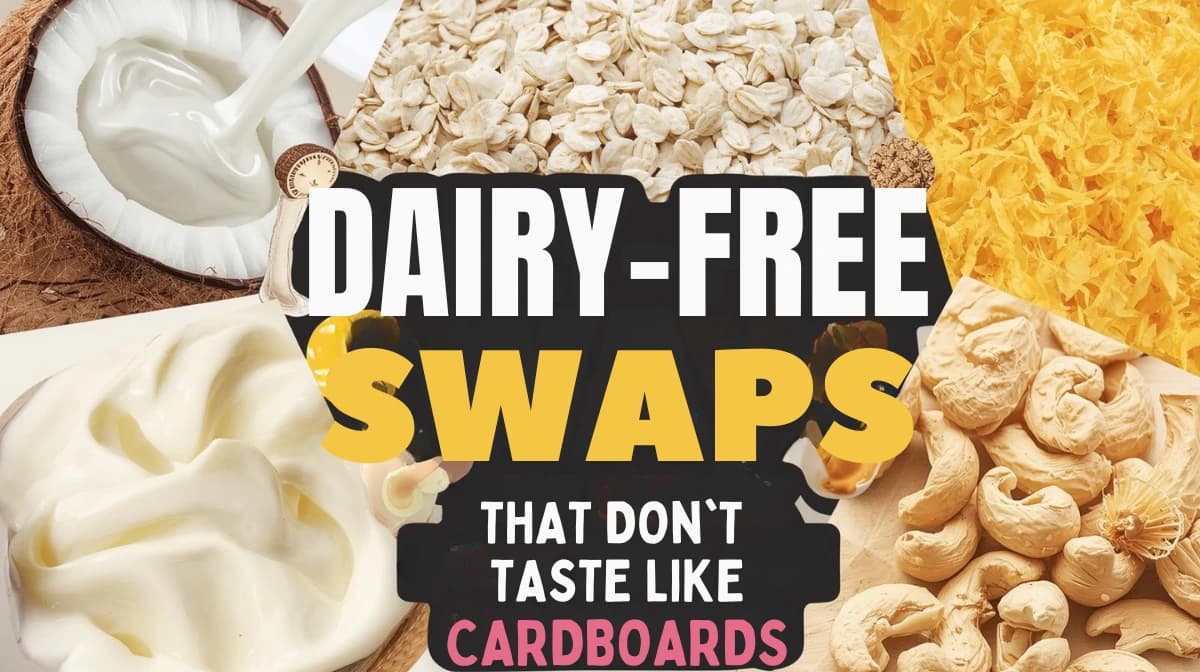
I admit it: I used to be the person who said, I could never give up cheese. As a home cook, dairy was my crutch. It was the easy way to add flavor and richness to everything.
When I first tried to cut back on dairy for my health, I was miserable. The alternatives I tried were watery, chalky, or—as the title says—tasted like wet cardboard. I refused to serve that to my family.
But after years of experimenting in the kitchen, I learned a secret: Going dairy-free isn't about sacrifice; it's about finding the "right" tool for the job.
You can't just swap one thing for everything. But if you use the right swap in the right place, you can make pasta, desserts, and lattes that are just as creamy and decadent as the original. These are the 9 swaps that pass the "taste test" in my house.
1. Heavy Cream → Coconut Cream
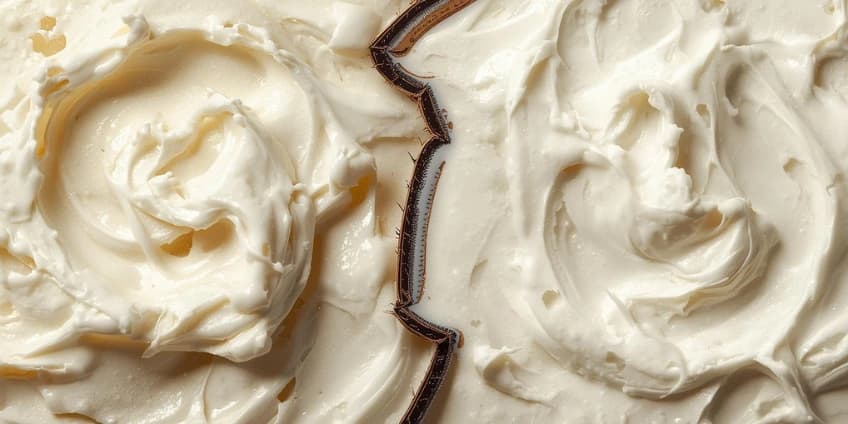
Why swap: Same rich, velvety texture with a healthy fat profile.
How to use: 1:1 ratio in soups, sauces, whipped cream
Best for: Curries, pasta sauces, dairy-free whipped topping
The trick here is temperature. Put a can of full-fat coconut milk in the fridge overnight. The thick "cream" will separate to the top. Scoop that out and whip it—it holds peaks just like dairy cream!.
2. Milk (1 cup) → Oat Milk
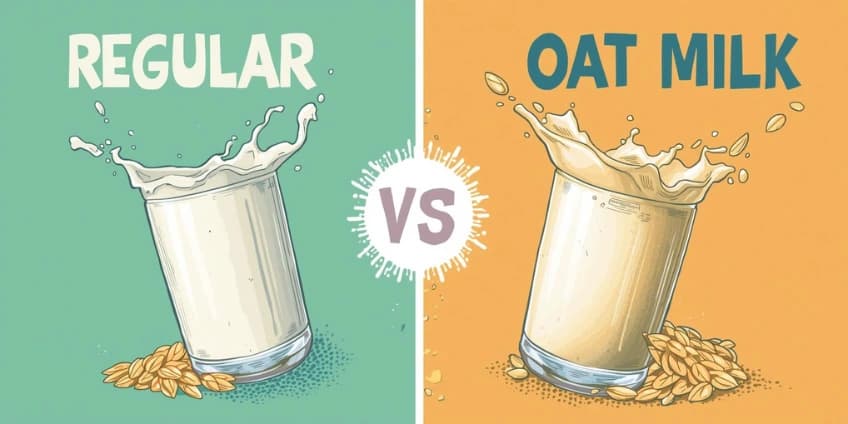
Why swap: Creamy texture, neutral flavor, froths perfectly for lattes
How to use: 1:1 ratio in coffee, cereal, baking
Best for: Lattes, cappuccinos, smoothies.
Not all oat milks are created equal. For coffee, look specifically for a "Barista Blend." It has a higher fat content that prevents it from curdling in hot liquid—a common disaster with almond or soy milk.
3. Butter → Avocado / Coconut Oil
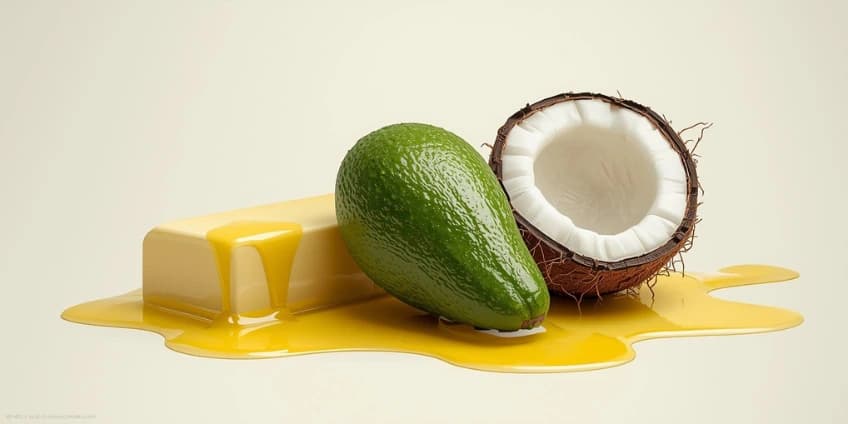
Why swap: Heart-healthy fats, no cholesterol, high smoke point
How to use: 1:1 ratio for cooking; 3:4 ratio for baking (3/4 cup oil for 1 cup butter)
Best for: Sautéing, roasting, vegan baking
Flavor matters here! If you're baking cookies and don't want them to taste like a tropical vacation, buy Refined Coconut Oil. It has a neutral scent and flavor but keeps that buttery texture.
4. Cream Cheese → Cashew Cream Cheese
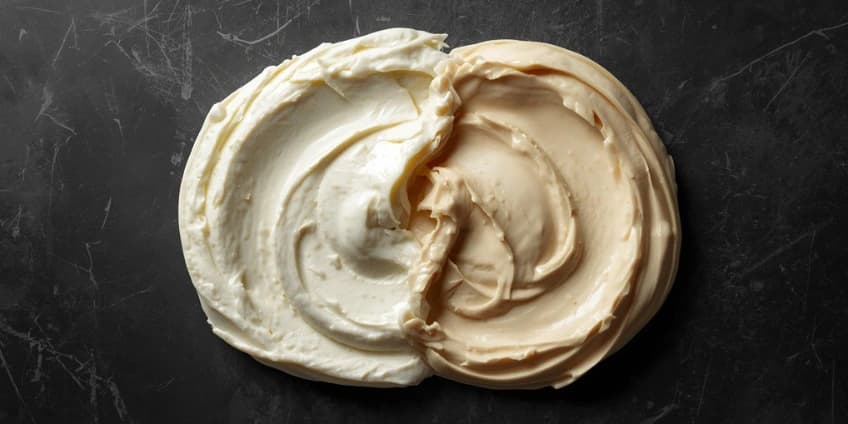
Why swap: Same tangy, spreadable texture without dairy
How to use: 1:1 ratio in spreads, frosting, dips
Best for: Bagels, cheesecake, veggie dip
This was the swap that surprised me the most. When you soak raw cashews and blend them with lemon juice and a pinch of salt, they transform into something shockingly close to dairy. It's rich, fatty (the good kind!), and satisfying.
5. Parmesan Cheese → Nutritional Yeast
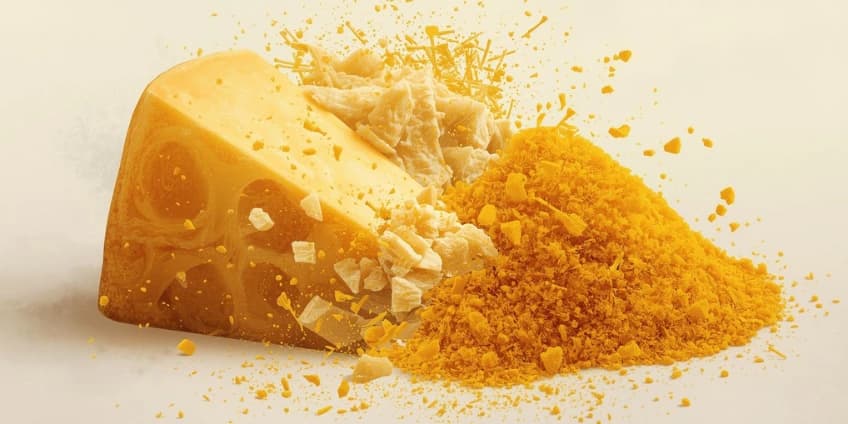
Why swap: Cheesy, nutty, umami flavor packed with B vitamins.
How to use: Sprinkle 1:1 as a topping; blend with walnuts for "parmesan."
Best for: Pasta, popcorn, roasted broccoli.
Don't let the name scare you. We call this "Nooch" in our house. It’s naturally savory and mimics that sharp, salty bite of aged parmesan. My kids actually prefer this on popcorn over real cheese.
6. Greek Yogurt → Coconut Yogurt
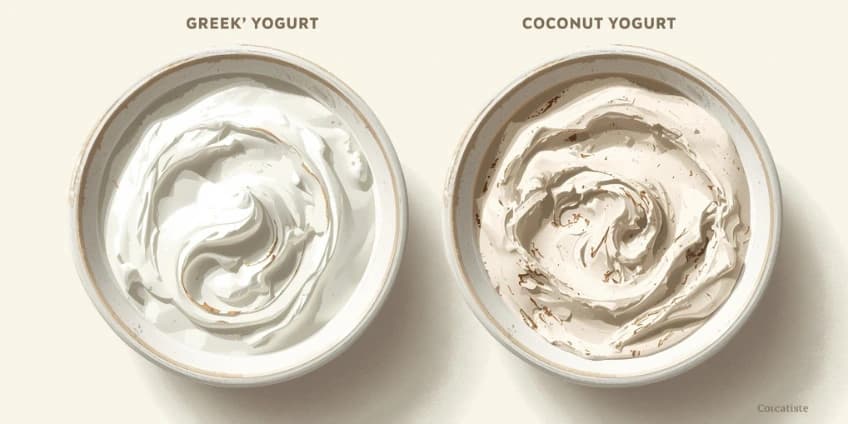
Why swap: Probiotic benefits without dairy, naturally sweet
How to use: 1:1 ratio in smoothies, parfaits, marinades.
Best for: Breakfast bowls, smoothies, Indian curries.
Coconut yogurt has come a long way. Brands like Culina and COYO have incredibly thick, creamy textures that rival dairy yogurt. Just watch the sugar content—I always buy plain unsweetened and add my own fruit.
7. Mozzarella Cheese → Cashew Mozzarella
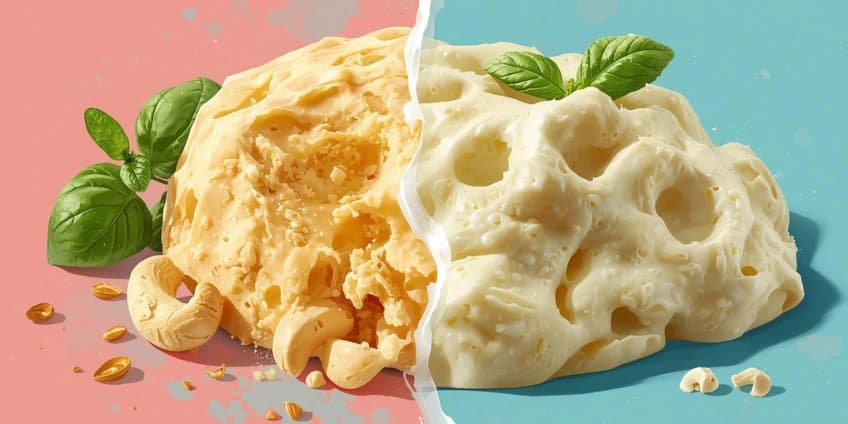
Why swap: Melts beautifully, stretchy texture, perfect for pizza.
How to use: Shred and use on pizza, lasagna, caprese salad.
Best for: Pizza night, grilled cheese, pasta bakes.
The secret ingredient for stretchy vegan cheese is Tapioca Starch. If you make it at home (which is easier than you think!), adding tapioca gives it that satisfying "pull" when it melts.
8. Feta Cheese → Crumbled Tofu with Lemon + Herbs
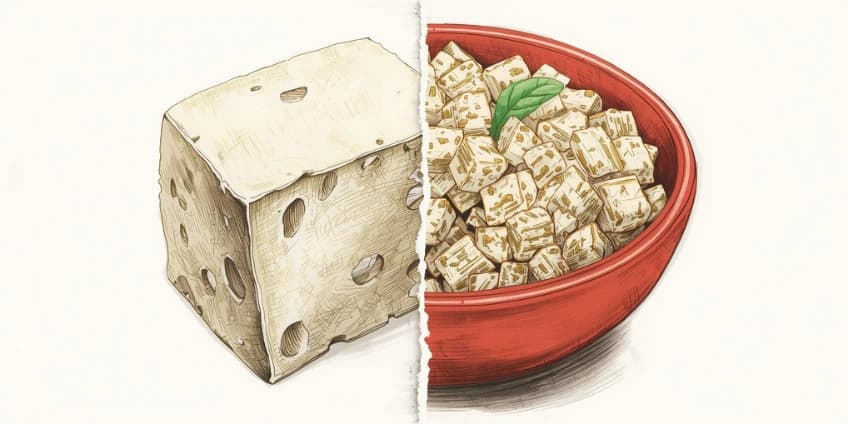
Why swap: Tangy, salty, crumbly texture with high protein.
How to use: Crumble firm tofu, marinate with lemon, olive oil, oregano.
Best for: Greek salads, pasta salads, avocado toast.
Texture is everything here. You must use Extra Firm Tofu and press the water out of it first. Once it marinates in lemon and salt for 30 minutes, it absorbs that tangy "feta" funk perfectly.
9. Sour Cream → Cashew Sour Cream
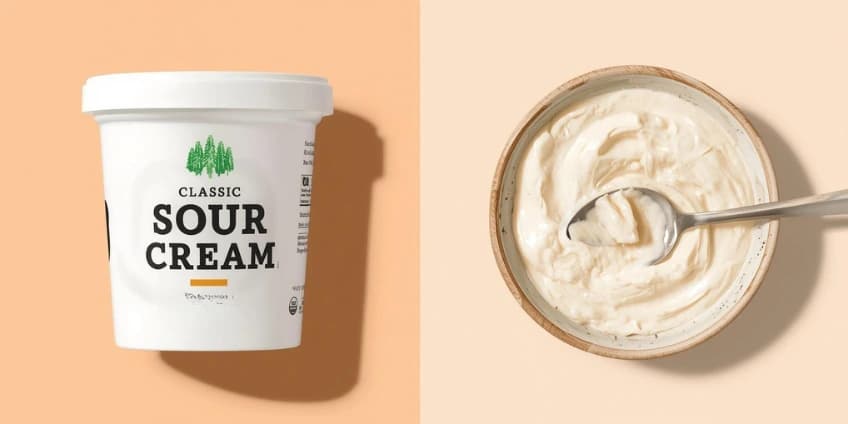
Why swap: Same tangy flavor and creamy texture, more nutrients.
How to use: 1:1 ratio in tacos, baked potatoes, dips.
Best for: Taco Tuesday, dips, salad dressing base.
Store-bought vegan sour cream can be hit or miss. I prefer blending soaked cashews with Apple Cider Vinegar and lemon juice. The vinegar gives it that specific "cultuered" tang that dairy sour cream has.
Pro Tips for Dairy-Free Success
- Soak your nuts: If you're blending cashews, soaking them in hot water for 30 minutes is non-negotiable. It's the difference between "grainy" and "velvety."
- Acid is your friend: Dairy has natural lactic acid. When swapping, you often need to add a splash of lemon juice or vinegar to mimic that brightness.
- Read labels: "Dairy-Free" doesn't always mean healthy. Some vegan cheeses are just oil and starch. Look for whole-food bases like nuts, seeds, or tofu whenever possible
❓ Frequently Asked Questions
Q: Will dairy-free cheese actually melt on my pizza?
A: It depends on the type! Cashew-based cheeses are delicious but don't melt perfectly. If you want that stretchy "pizza pull," look for store-bought brands that use tapioca starch or coconut oil (like Miyoko's or Violife), or add tapioca starch to your homemade recipes.
Q: Is going dairy-free expensive?
A: It can be if you buy processed vegan cheeses. But if you make your own swaps using whole ingredients—like buying oats for milk or raw cashews in bulk for cream—it's often cheaper than buying high-quality dairy cheese and heavy cream.
Q: How do I get calcium without dairy?
A: This is a common worry, but you don't need cow's milk for calcium! Almonds, leafy greens (like kale and spinach), beans, and fortified oat milks are packed with calcium.
📚 Master More Healthy Cooking Techniques
Ready to upgrade the rest of your kitchen? Check out these guides next:
Healthy Sauce & Condiment Swaps – Ditch the sugar-loaded ketchup and mayo.
100 Healthy Ingredient Swaps Guide – Our massive master list for every craving.
Butter vs. Ghee vs. Oil – The ultimate fat-swap showdown.
Browse Our Full Swap Database – Search 450+ ingredients instantly.
About Our Nutritional Data
All nutritional data in this article is sourced from the U.S. Department of Agriculture (USDA) FoodData Central database. We prioritize accuracy to ensure our swaps are evidence-based and trustworthy. Nutritional values may vary slightly based on brands and preparation methods.
🎁 Want More Dairy-Free Recipes?
Download our free cheat sheets with 100+ ingredient swaps, including:
- Complete Dairy-Free Substitution Guide
- Healthy Baking Substitutes for vegan desserts
- Emergency Pantry Swaps for last-minute dairy-free cooking
About the Author

This article was written by Ant Real, the founder of SwapHealthy. As a parent, home cook, and developer, Ant is passionate about making healthy eating accessible and delicious for everyone. He created SwapHealthy to share his personal journey and the science-based swaps his family uses to enjoy their favorite foods in a healthier way.